
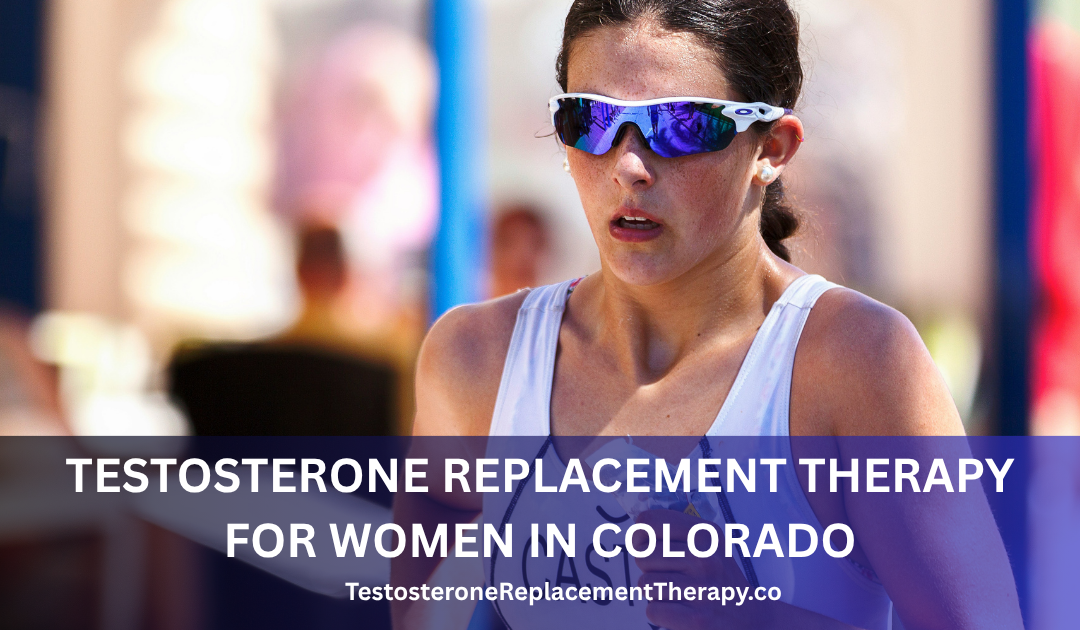
Colorado women are hikers, skiers, cyclists, and runners. The active lifestyle here is part of the culture. But being fit doesn’t guarantee your hormones are optimized — and that gap catches a lot of women off guard. Testosterone replacement therapy for women in Colorado is helping active women across Denver, Boulder, Colorado Springs, and beyond maintain the energy and physical performance that matches their ambitions.
If your body has been sending signals it can’t keep up, this might be the explanation — and the solution.
Altitude’s Hidden Impact on Women’s Hormones
Here’s something most Colorado women don’t realize: altitude affects hormone production.
Living above 5,000 feet changes how your body uses oxygen, metabolizes energy, and manages stress hormones. Studies show that women at high altitude experience greater fluctuations in estrogen and testosterone — and the physiological stress of altitude training can accelerate hormonal decline.
Add Colorado’s demanding outdoor culture to the mix, and you have a population of women who push their bodies hard, often without realizing their hormonal foundation needs support.
This connects directly to the broader issue of what causes of low testosterone in active women — which goes well beyond just getting older.
What “Feeling Off” Actually Means Hormonally
Colorado women often describe their symptoms in performance terms first:
- “My trail runs are taking longer and I can’t figure out why.”
- “I’m lifting the same weights but not seeing progress.”
- “My recovery after ski season used to take days — now it takes weeks.”
- “I don’t sleep as deeply anymore and I wake up tired.”
- “I used to love competition. Now I couldn’t care less.”
These aren’t signs of aging. These are signs of hormonal inadequacy — specifically, low testosterone combined with disrupted cortisol patterns.
The symptoms of low testosterone in women cover this in full, including the less-obvious signs like emotional detachment and cognitive fogginess.
TRT for the Active Colorado Woman: What Changes
The benefits of testosterone therapy for women who are already active are different from those in sedentary women.
For active Colorado women, TRT typically delivers:
- Faster exercise recovery — Testosterone supports muscle protein synthesis post-workout
- Maintained lean muscle — Critical for women entering their 40s who are strength training
- Better VO2 max stability — Testosterone contributes to red blood cell production, directly affecting endurance
- Improved sleep architecture — Especially deep, restorative sleep, which is where physical recovery happens
- Mental sharpness during training and daily life — Focus, decision-making, and motivation all respond to testosterone optimization
These specific benefits of TRT matter especially for women whose identity and well-being are tied to their physical activity.
Conditions That TRT Addresses in Colorado Women
The application of TRT goes beyond performance. Several medical conditions make testosterone therapy clinically appropriate, not just lifestyle-enhancing.
These include:
- Post-surgical menopause — Women who’ve had ovaries removed experience immediate testosterone loss
- Hypoactive Sexual Desire Disorder (HSDD) — A recognized diagnosis backed by clinical evidence for TRT
- Osteoporosis prevention — Testosterone protects bone density, critical for women who are at fracture risk from high-impact activities
- Adrenal dysfunction — Common in high-stress, high-exercise women; affects testosterone production at the adrenal level
The full range of medical conditions that TRT treats includes several that are especially relevant to Colorado’s physically active female population.
How to Access TRT in Colorado in 2026
Colorado has a well-developed integrative medicine community, particularly in Denver and Boulder. Hormone specialists, functional medicine doctors, and certified TRT clinics are widely available.
Options include:
- In-person hormone clinics — Denver, Boulder, Fort Collins, Colorado Springs
- Telehealth providers licensed in Colorado — Available for initial consult, prescription, and follow-up
- Integrative/functional medicine practices — Common in Boulder and Denver; treat hormones within a whole-body context
- Compounding pharmacies — Colorado has several that specialize in bioidentical hormone preparations
The process begins with blood testing. Most providers order a morning hormone panel that includes testosterone, SHBG, estradiol, cortisol, and thyroid markers for a complete picture.
Cost of TRT in Colorado
What women in Colorado typically pay in 2026:
- Consultation: $150–$300
- Lab panel: $100–$225
- Monthly cream or gel: $60–$180
- Pellet therapy (per session): $350–$650 every 3-6 months
- Bundled monthly programs: $130–$250/month
Visit the pricing page for a complete breakdown.
Colorado women should note that health-sharing plans and HSAs are commonly used to cover these costs, even when traditional insurance won’t.
Clinical Evidence Colorado Women Should Know About
TRT in women is supported by a growing body of research. A 2022 position statement from the Endocrine Society stated that premenopausal and postmenopausal women with low testosterone and related symptoms may benefit from carefully monitored testosterone therapy.
Additionally, a study in the Journal of Clinical Endocrinology and Metabolism found that women receiving testosterone therapy reported sustained improvements in sexual function, energy, and mood over 12 months with no significant adverse effects at therapeutic doses.
The Energy You’ve Been Searching For
Colorado’s landscape deserves to be experienced fully — not from the sidelines of your own life.
If low testosterone has been quietly limiting your performance, recovery, and joy, there’s a clear path forward. Testosterone replacement therapy for women in Colorado combines the precision of modern hormone medicine with the active, health-forward culture you already live.
Visit Testosterone Replacement Therapy in 2026 to explore your options and reclaim the energy that makes Colorado life worth living.
FAQs: TRT for Women in Colorado
Does living at high altitude require different testosterone dosing for women?
Altitude can affect hormone metabolism, so Colorado providers often monitor levels more frequently to ensure dosing remains within optimal range.
Can I continue high-altitude training while on TRT?
Yes, TRT is compatible with strenuous exercise and may actually improve training outcomes; just inform your provider of your activity level so they can personalize your protocol.
Is there a risk of testosterone overdose if I’m very physically active?
Higher activity levels can accelerate testosterone metabolism, meaning some active women may metabolize testosterone faster and need adjusted doses — another reason regular lab monitoring matters.
Will TRT affect my eligibility for recreational sports competitions in Colorado?
Most recreational leagues don’t test for hormones; competitive athletes should check their governing body’s rules, as testosterone is regulated in some elite sports.
How does TRT interact with altitude sickness medications?
There are no known significant interactions between standard altitude sickness medications (like acetazolamide) and therapeutic testosterone; consult your provider for your specific protocol.
Does TRT work differently for women who are already in great physical shape?
Physically fit women often respond to TRT with more pronounced performance benefits, since their muscular and cardiovascular systems are primed to use the hormonal support effectively.
Sources
- Endocrine Society Clinical Practice Guidelines: https://www.endocrine.org/clinical-practice-guidelines
- MedlinePlus — Testosterone: https://medlineplus.gov/lab-tests/testosterone-levels-test/