
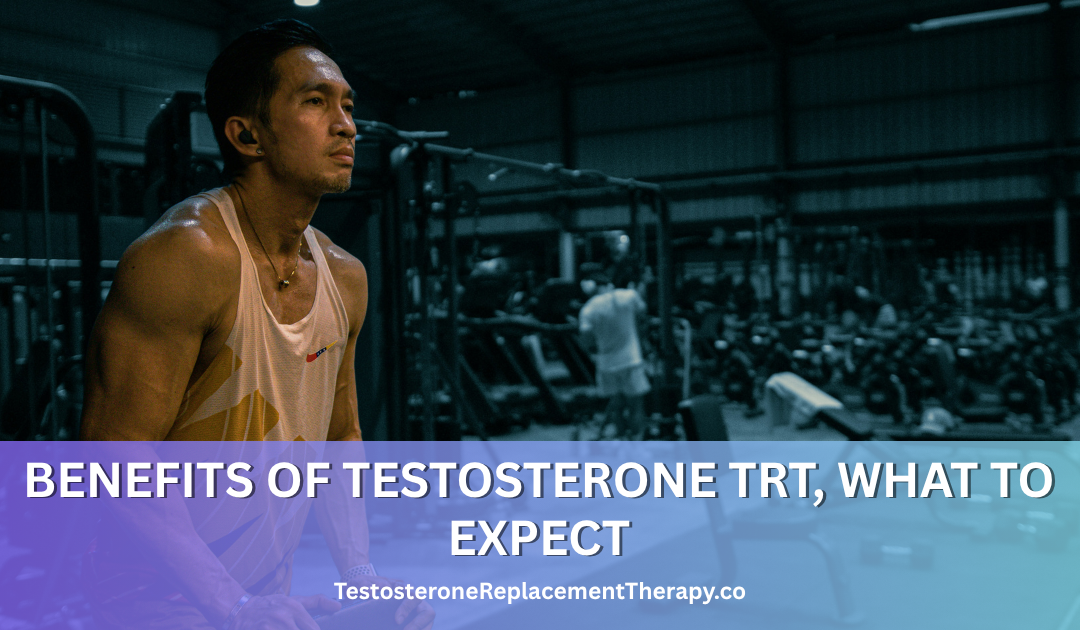
The benefits of testosterone TRT for men with confirmed low testosterone typically include improved energy, increased muscle mass, reduced body fat, better mood, and restored libido. Most men begin noticing initial changes within a few weeks, with more substantial improvements in body composition and overall well-being developing over the following months of consistent treatment.
If you’re considering TRT and want a realistic picture of what it actually involves, rather than exaggerated marketing claims, here’s an honest breakdown.
Who Actually Benefits From TRT
It’s worth starting here: TRT is intended for men with clinically confirmed low testosterone, diagnosed through bloodwork combined with relevant symptoms. It is not designed to push already-normal testosterone levels higher for general performance enhancement.
Energy and Fatigue Improvements
This is often one of the first noticeable changes for men starting treatment:
- Many men report increased energy and reduced fatigue within the first few weeks
- Improved energy often makes it easier to stay consistent with exercise, creating a positive cycle
- This early improvement is one reason men frequently describe TRT as making them “feel like themselves again”
Muscle Mass and Body Composition
Testosterone is anabolic, meaning it directly supports tissue growth:
- Men undergoing TRT often see measurable increases in lean muscle mass within the first few months
- Combined with this is typically a reduction in fat mass, particularly visceral fat around the organs
- Studies show meaningful reductions in waist circumference and body fat percentage within 6-12 months of consistent treatment
These changes work best when combined with resistance training and adequate protein intake, rather than relying on treatment alone.
Mood and Mental Well-Being
Research on TRT’s mood effects is encouraging for men with genuinely low testosterone:
- Multiple controlled studies show TRT can improve mood and reduce irritability in men with confirmed low T
- Reductions in depressive symptoms and improved overall sense of well-being are commonly reported
- This connects to what some researchers call “irritable male syndrome,” a cluster of mood symptoms linked to declining testosterone
Sexual Function and Libido
This is one of the most well-documented benefits of properly diagnosed TRT:
- Improved libido is frequently reported, often within the first few weeks
- For men whose erectile dysfunction is linked to confirmed low testosterone, treatment can improve function, though it may need to be combined with other ED treatments for full effect
- Sexual symptoms tend to be among the most specific indicators that testosterone is genuinely low in the first place
Bone Density and Long-Term Health
Beyond the more immediately noticeable changes, testosterone plays a role in longer-term health markers:
- Testosterone supports bone density, and low levels are linked to increased fracture risk over time
- Some research suggests improvements in insulin sensitivity and metabolic markers with treatment
- Red blood cell production is also supported by healthy testosterone levels, which is why monitoring hematocrit becomes part of ongoing care
A Realistic Timeline
Understanding when to expect different benefits helps set appropriate expectations:
Weeks 1-4:
Improved energy and mood often appear first
Some increase in libido may begin
Weeks 4-8:
Continued mood and energy improvements
Early changes in strength and gym performance
Months 3-6:
More noticeable changes in body composition (muscle gain, fat loss)
Continued improvement in sexual function
Months 6-12 and beyond:
Maximal body composition changes typically achieved
Bone density benefits develop over a longer timeframe
What TRT Won’t Do
Setting accurate expectations matters as much as understanding the benefits:
- TRT won’t fix problems unrelated to low testosterone, like fatigue caused by sleep apnea or poor diet
- It’s not a substitute for diet and exercise, even though it supports both
- Results take time. Dramatic, immediate transformations aren’t realistic or typical
Treatment Options
TRT is available through several delivery methods, each with different convenience and consistency tradeoffs:
- Injections, typically weekly or biweekly, offering strong, well-researched effectiveness
- Topical gels or creams, applied daily, offering a needle-free option
- Pellet therapy, inserted under the skin every few months, minimizing dosing frequency
Monitoring During Treatment
Responsible TRT includes regular monitoring, not just an initial prescription:
- Baseline labs before starting treatment
- Follow-up labs typically 6-8 weeks after starting or adjusting dosage
- Ongoing monitoring every few months once levels stabilize, tracking testosterone, estradiol, and red blood cell count
Reviewing your testosterone levels guide can help you understand what these follow-up numbers actually mean.
Is TRT Right for You?
The first step is confirming whether you actually have low testosterone. Reviewing the full list of symptoms of low testosterone can help you decide whether testing makes sense for your situation.
What Treatment Costs
Most clinics structure TRT as a monthly program including labs, physician oversight, and medication. Pricing commonly starts in the low hundreds of dollars per month depending on the delivery method chosen. Your provider can confirm exact costs after reviewing your labs.
Take the Next Step
Curious whether TRT could help you feel like yourself again? Book an appointment for bloodwork and a personalized plan.
FAQs
How long does it take to feel the benefits of TRT?
Many men notice improved energy and mood within the first few weeks, while body composition changes typically take 3-6 months.
Will TRT definitely improve my mood?
Research shows mood improvements are common in men with confirmed low testosterone, though individual results vary.
Does TRT help with weight loss?
TRT supports fat loss and muscle gain but works best combined with diet and exercise, not as a standalone weight-loss treatment.
Is TRT safe for long-term use?
With proper medical supervision and regular monitoring, TRT is generally considered safe for men with confirmed low testosterone, though it requires an ongoing commitment to monitoring.
What if I don’t notice any benefits after starting TRT?
This is worth discussing with your provider, since dosing or delivery method adjustments are sometimes needed to find the right fit.
Can TRT improve erectile dysfunction?
For men whose ED is linked to confirmed low testosterone, TRT can help, though it may need to be combined with other ED treatments for full effect.
Sources
- WebMD – Testosterone Replacement Therapy: Myths and Facts: https://www.webmd.com/men/replacement-therapy
- Defy Medical – Does Testosterone Make You Gain Weight?: https://www.defymedical.com/blog/does-testosterone-make-you-gain-weight/